
Most forklift hire mistakes happen before the machine reaches the site.
A forklift may have enough nominal capacity but the wrong mast, tyres or dimensions. It may lift the load but fail to clear a doorway. A warehouse model may also be unsuitable for rough construction ground.
Before arranging forklift hire, confirm how the machine will actually be used.
What to Check Before Hiring a Forklift
These details give the hire team enough information to recommend a suitable machine rather than relying on capacity alone.
1. Choosing a Forklift Based Only on Load Weight
A 2.5-tonne load does not automatically mean any 2.5T forklift will be suitable.
Forklift load capacity is also influenced by:
load centre
load dimensions
lift height
mast configuration
attachments
A long or unusually shaped item can shift the load centre further from the mast and affect the usable capacity of the machine.
When requesting a forklift, provide both the maximum weight and the dimensions of the load.
2. Checking Lift Height but Forgetting Clearance
Knowing how high the load needs to go is only half the measurement.
The forklift may also need to pass through:
- roller doors
- warehouse entrances
- containers
- low structural beams
- areas with overhead services
This makes forklift mast height and overall machine dimensions important.
All Access Hire offers different mast configurations across its forklift range, including options suited to restricted access and higher lift requirements.
Measure both the highest lifting point and the lowest clearance along the route the forklift must travel.
3. Choosing the Wrong Forklift for the Ground
Warehouse floors and construction sites require different machines.
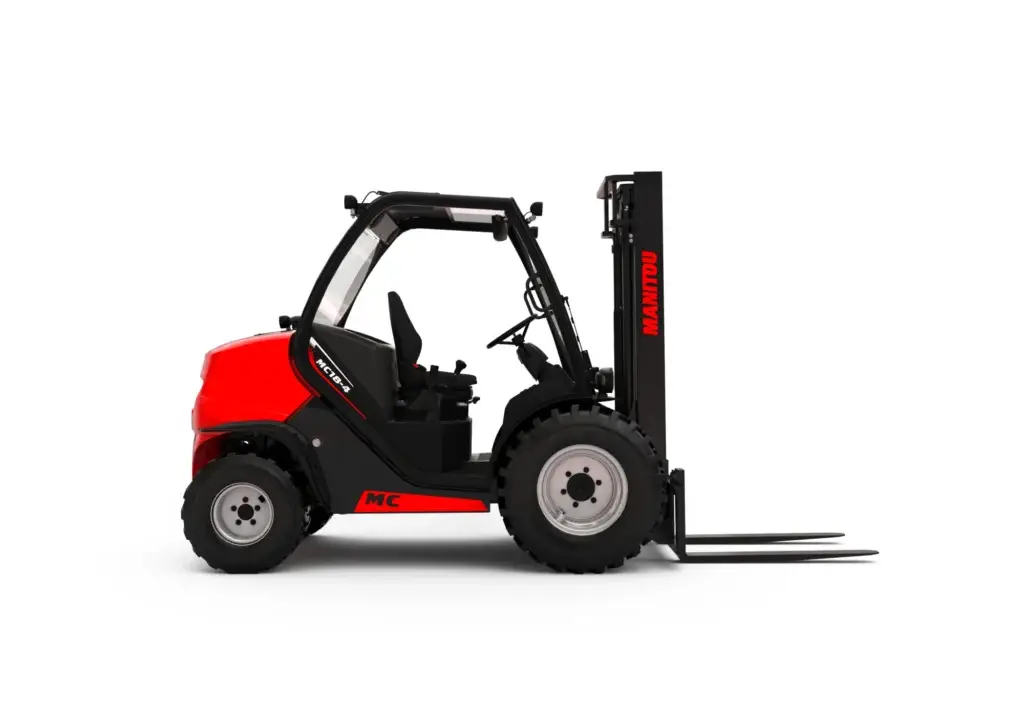
A standard forklift can work efficiently on concrete or other prepared surfaces. Uneven ground, gravel, dirt and unfinished construction areas may require rough terrain forklift hire.
Rough terrain forklifts are designed around features such as:
- 4WD
- higher ground clearance
- larger tyres
- stronger traction on uneven surfaces
Tyres also matter. Indoor sites with finished floors may benefit from non-marking options, while outdoor work usually places more emphasis on traction and ground conditions.
4. Selecting the Wrong Power Source
Electric, LPG and diesel forklifts suit different operating environments.
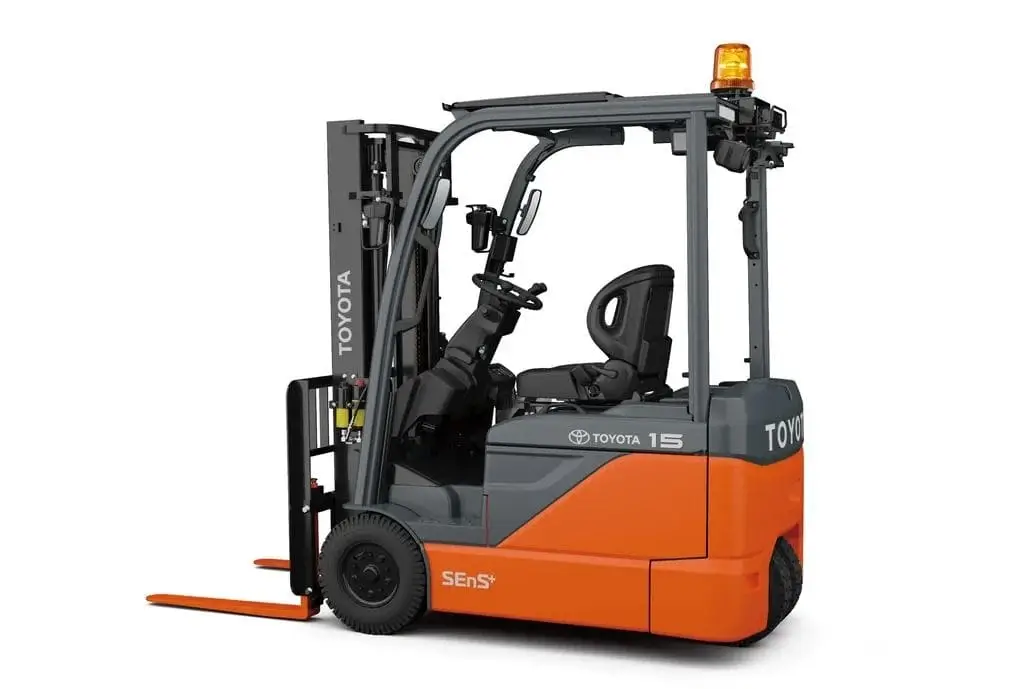
For warehouses and other indoor applications, electric forklift hire can be a strong option because electric machines provide quiet operation and no tailpipe emissions at the point of use.
All Access Hire’s 1.8T electric forklift is designed for indoor material handling and can be configured with different lift heights.
Outdoor construction work may place greater emphasis on traction, operating conditions and the ability to work across unfinished surfaces.
Choose the power source around the site, not simply around what was used on the previous project.
5. Forgetting About Attachments
Standard forks do not suit every load.
Depending on the task, forklift attachments may include:
- sideshift
- fork positioner
- rotator
- alternative fork configurations
Attachments can make material handling faster and more precise, but they need to be considered when selecting the forklift itself.
Instead of asking for “a forklift”, explain what needs to be lifted, moved or positioned.
All Access Hire can match relevant attachments with suitable machines across its forklift fleet.
6. Underestimating the Hire Period
A task expected to take one day can easily extend when delivery, site preparation or other trades affect the schedule.
Before booking, consider:
- when the forklift is actually needed
- when materials will arrive
- how many lifts are required
- whether other contractors depend on the machine
- whether the project has realistic schedule flexibility
Short-term forklift rental works well for clearly defined tasks. Longer projects may be better suited to weekly or extended hire arrangements.
Booking around the realistic programme can reduce unnecessary extensions and equipment changes.
7. Choosing the Cheapest Quote
Price matters, but the lowest hire rate can become expensive if the forklift cannot complete the job.
A poor equipment match can lead to:
- replacement delivery
- lost site time
- attachment changes
- restricted access
- poor performance on the ground
- additional hire days
When comparing forklift hire quotes, consider the machine, configuration and support together.
All Access Hire provides forklift hire across Brisbane, Gold Coast and Ipswich, with equipment-selection support and in-house transport for local projects.
For time-sensitive construction and logistics work, getting the right machine on the first delivery usually matters more than a small difference in the daily rate.
One Detail First-Time Hirers Often Miss: Measure the Full Travel Route
The loading point is not the only area that matters.
A forklift may need to travel from the delivery area through gates, doorways, aisles or temporary site access before it reaches the load.
Before booking, check:
- narrowest access width
- lowest overhead clearance
- tightest turning area
- surface changes along the route
- space available for unloading the forklift
This is particularly important in warehouses, existing commercial buildings and construction sites where access changes as work progresses.
A forklift that fits the final work area can still be unusable if it cannot reach it.
All Access Hire provides forklift hire for construction, warehousing, logistics and industrial projects across Brisbane, Gold Coast and Ipswich.
Tell our team what you need to move, how high it needs to go and what the site looks like. All Access Hire can then recommend a forklift configuration suited to the job.
Frequently Asked Questions
What information do I need before hiring a forklift?
Provide the maximum load weight, load dimensions, lift height, ground conditions, available clearance, hire duration and any attachments required. These details help the hire team recommend a forklift based on the actual task.
Should I hire an electric forklift for indoor work?
Electric forklifts are well suited to many warehouses, factories and indoor logistics environments. They offer quiet operation and no tailpipe emissions at the point of use. Available space, lift height, load and required runtime should still be checked before choosing a model.