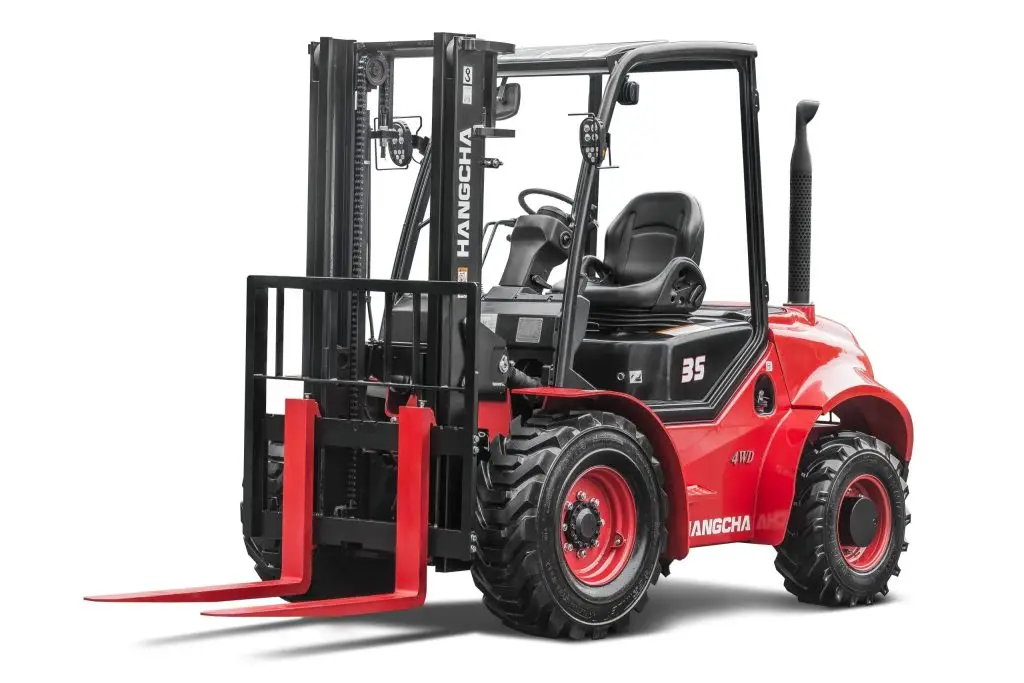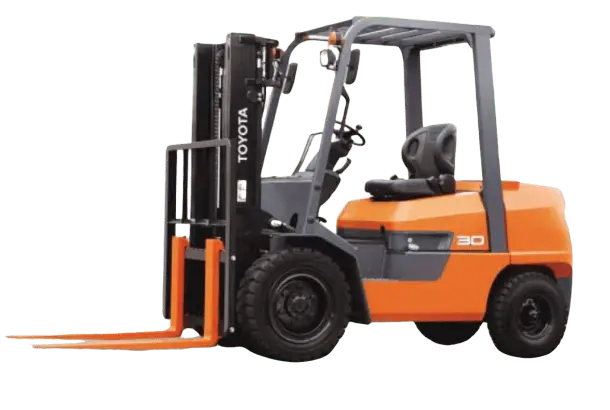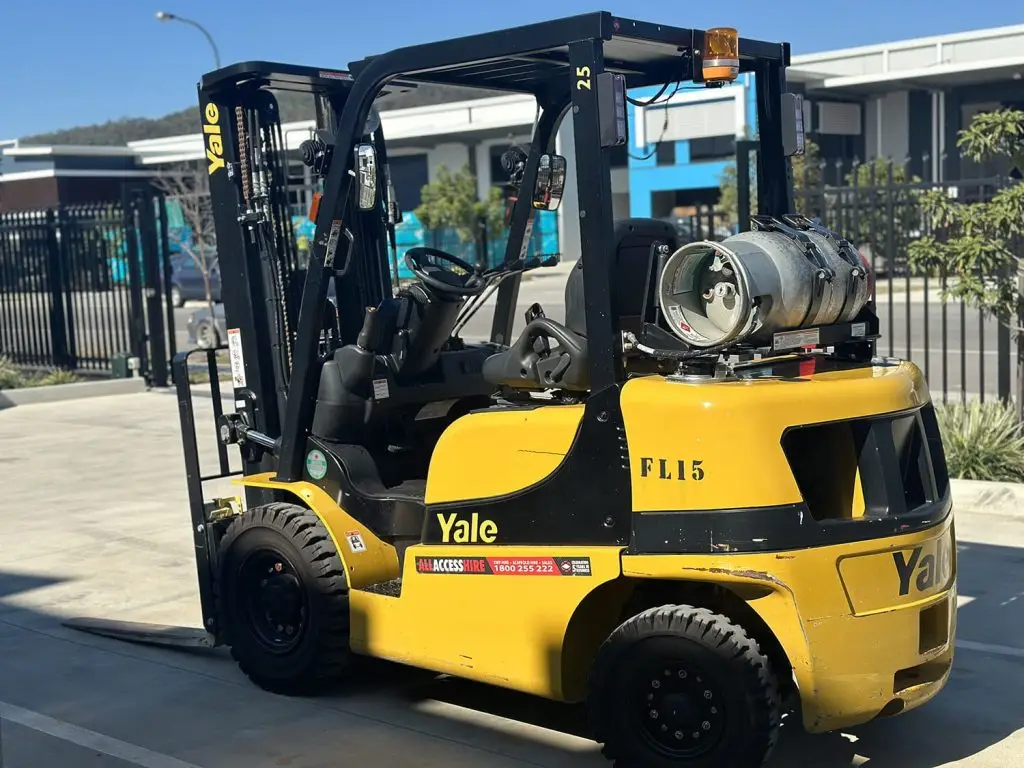

One of the most common causes of forklift misuse on site is a mismatch between the machine’s rated capacity and the actual load requirements. In high-output environments across Queensland, including Brisbane, Gold Coast and Sunshine Coast, lifting performance must be accurate, consistent and safe. Understanding how forklift capacity is defined, how it varies with load geometry, and how to read a load chart correctly is essential for selecting the right model for your application.
Rated capacity: what it means and why it’s not fixed
The rated capacity of a forklift is the maximum weight it can lift safely under defined conditions. This rating is established by the manufacturer based on the standard load centre, mast height and fork configuration. For example, a forklift rated at 2.5 tonnes assumes a load with a centre of gravity 500 mm from the vertical face of the forks.
This figure does not apply universally. If the load is longer, wider or positioned differently, the effective capacity decreases. Many incidents occur when site staff assume that the forklift can lift any 2.5T load, regardless of size or shape. Capacity is a dynamic figure. It depends on how the load is placed, how high it needs to be lifted, and how the mast is configured.
Load centre and its effect on stability
The load centre refers to the distance between the vertical face of the forks and the load’s centre of gravity. Standard forklifts are rated with a 500 mm load centre. If the actual centre is further out, because of long pallets, cantilevered objects or oversized containers, the forklift loses lifting power and stability.
For example, lifting a 1.8 tonne steel beam with a load centre of 900 mm can exceed the safe limits of a 2.5T forklift, even though the weight is technically lower than the rated capacity. This is why proper assessment of load geometry is more important than just weight.
How to interpret a forklift load chart
Every forklift comes with a load capacity chart that shows how lifting power changes with height and load centre. These charts must be consulted before assigning tasks, especially when dealing with elevated stacking or unusual loads.
A typical chart will show, for instance, that a 3T forklift with a standard mast can only lift 2.1T at full mast extension, and even less if the load centre exceeds 600 mm. Assuming flat capacity at all heights is a critical operational error.
Operators and planners should always verify load charts when hiring a forklift, particularly for high lift operations or multi-pallet movements. For more support in interpreting this data, All Access Hire provides direct technical guidance on every forklift hire request.
Load examples by industry
Different industries handle different types of loads. Below are real examples where capacity assessment becomes essential:
- Construction: Formwork packs, steel beams, scaffold bundles. Often long and offset, requiring high torque and rear counterbalance.
- Warehousing: Double-pallet lifts, high racking loads. Requires accurate lifting height and tight turning radius.
- Logistics: Palletised freight, containers, crates with variable centre of gravity. Demands balanced lifting and clear visibility.
- Manufacturing: Machinery parts, tools, bulk raw materials. Weight distribution varies across units.
Matching forklift type to load type reduces risk, improves speed and lowers wear on hydraulic and structural systems.
Common errors in capacity selection
- Choosing forklifts by weight only
Ignoring the load centre leads to selecting a model that is mechanically underpowered for the task.
- Disregarding mast height requirements
If a forklift cannot reach the racking height with enough residual capacity, productivity drops and safety risks rise.
- Using general-purpose forklifts for complex loads
Certain materials require attachments or modified fork lengths to maintain balance. Not accounting for these leads to instability.
- Hiring based on previous jobs, not current specs
Site conditions, load dimensions and height demands change. Relying on past hires without reassessment can cause misalignment.